QRchat’s Incentive Model: How Usage Becomes Value
Most messaging platforms operate on a simple principle: users generate data, and platforms monetize that data. While this model has proven effective, it raises concerns about privacy, ownership, and fairness.
QRchat introduces a different approach by shifting value creation from data to user activity.
From Data Monetization to User Incentives
Instead of collecting and monetizing data, QRchat focuses on rewarding user participation. This creates a system where users are not just participants, but contributors to the ecosystem.
Usage-Based Rewards
QRchat distributes tokens based on user activity. The more a user engages with the platform—through messaging and interaction—the more rewards they receive.
This aligns user behavior with ecosystem growth.

Randomized Airdrops
In addition to activity-based rewards, QRchat introduces randomized airdrops. These unpredictable rewards create additional engagement and encourage continued participation.
This mechanism adds an element of anticipation, increasing user retention.
A Self-Reinforcing Loop
The combination of usage-based rewards and random incentives creates a feedback loop:
- More usage leads to more rewards
- More rewards encourage more usage
This loop strengthens both user retention and platform growth.
Conclusion
QRchat demonstrates that value can be created without relying on data collection. By rewarding users directly, it creates a more balanced and participatory ecosystem.
Final Insight: In next-generation platforms, activity—not data—defines value.
Quantarium Homepage - https://quantarium.io/
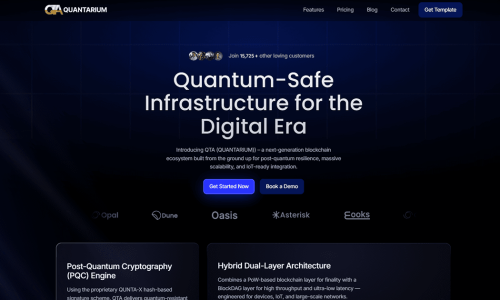
QUANTARIUM - Everything About Quantum Technology
Pantarium(Quantarium) Airdrop Page: Get 50 QTA for free immediately upon sign-up!
Earn additional rewards by sharing your referral code.

QR CHAT: The Beginning of New Communication!
Ringo Homepage!


댓글
댓글 쓰기